
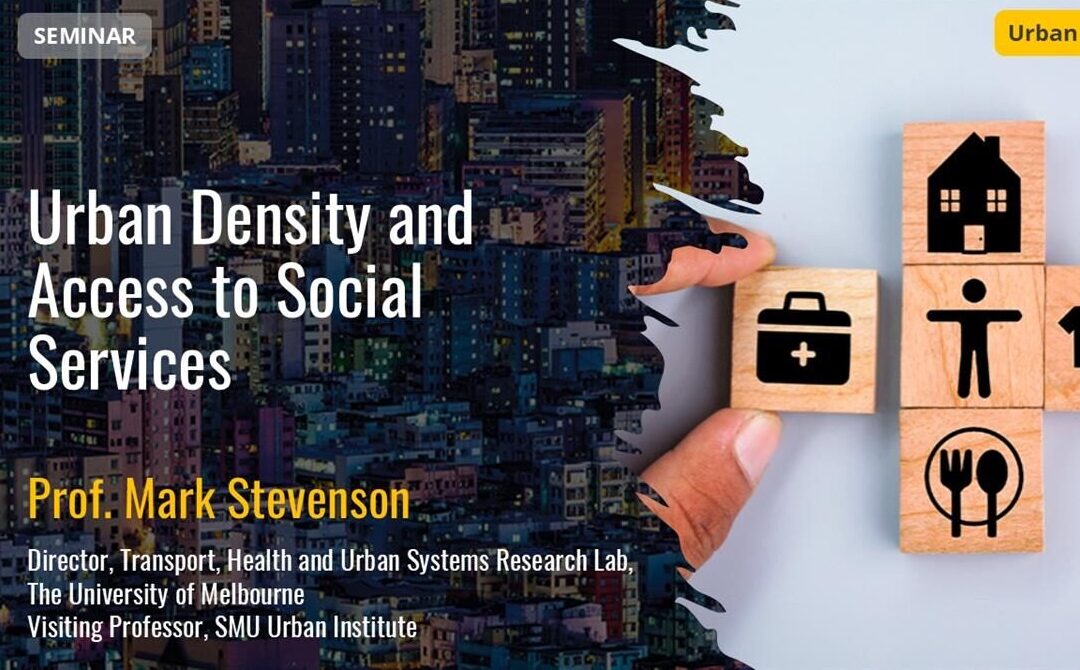
As cities increasingly urbanise, significant challenges associated with rapid urbanisation are coming to the fore particularly the need to deliver equitable services; government and non-government agencies have become increasingly aware of this need. To respond however, requires the ability to observe rapid changes across the built environment, the socio-demographics of locations and much more. For example, in relation to access to health services, recent urban gentrification in U.S. cities has resulted in new amenities and services for now affluent residents, whilst at the same time displacing poor minority residents whose usual health services have either closed or been replaced by services serving privately insured residents.
Cities increasingly face significant challenges in delivering equitable services and since inequality of access to services such as education, health or transport is reproduced spatially, applying spatially derived indices that quantify access to services is paramount if equitable services are to be provided. In this presentation, Dr. Stevenson will present a social service indice and the application across large urban agglomerations in Australia. He will also discuss the opportunity to assess social service inequality across Southeast Asian cities.
Please register at the following link to attend!